Explore our high-performance hardware and machining consumables built to the highest mechanical standards, engineered alongside our industrial coated abrasive belt solutions.
Analyzing the paradigm shift in surface processing: from conventional mineral coatings to advanced micro-crystalline structured synthetics.
In modern manufacturing, the humble belt sander has undergone a quiet revolution. No longer just a simple woodworking accessory, industrial-scale wide belt sanders and narrow robotic grinding systems are the gatekeepers of finish quality, dimensional tolerance, and surface roughness parameters (Ra). Abrasive belt sandpaper is now categorized as a high-precision consumable. As global supply chains demand faster production cycles and higher tolerances, the development of belt sandpaper has focused heavily on grain longevity, thermal management, and backing flexibility.
Traditional aluminum oxide (Al₂O₃) belt sandpaper, while cost-effective for general timber sanding, has largely given way to high-performance synthetic minerals in heavy-duty applications. Silicon carbide (SiC), with its extremely sharp and brittle crystalline structure, remains the global standard for non-ferrous metals, stone, glass, and medium-density fiberboards. However, the true transformation lies in the proliferation of Zirconia Alumina (Zr-Al) and Ceramic Alumina grains.
The core technology behind modern premium belt sandpaper is the micro-fracturing characteristic of ceramic grains. Under grinding pressure, ceramic grains do not round off and dull like standard minerals. Instead, they micro-fracture along defined crystalline boundaries, constantly revealing new, razor-sharp edges. This self-sharpening mechanism dramatically reduces heat generation, which is the primary cause of workpiece warping and structural degradation in alloy grinding.
Furthermore, active grinding aids—commonly referred to as "supersize" coatings (usually containing potassium fluoroborate or cryolite)—are electrostatically applied over the size coat. In automotive and aerospace applications where titanium and stainless steel are standard, these aids react chemically to lubricate the grinding interface, preventing the loading (clogging) of metal swarf onto the belt face. This extends the service life of a single abrasive belt up to 400% compared to traditional non-coated options.
Industrial buyers must look beyond purchase price to evaluate belt performance metrics, downtime costs, and grain yield calculations.
For procurement officers in major manufacturing hubs, sourcing abrasive belts is a balancing act between initial cost and manufacturing downtime. When a high-output CNC sanding line or a robotic metal polishing cell has to stop to replace a broken or loaded abrasive belt, the financial losses extend far beyond the price of the belt itself. True efficiency is measured in Material Removal Rate (MRR) per dollar spent and total operational uptime.
Critical procurement checklists must evaluate three foundational elements of belt sandpaper engineering:
Combining years of specialized export experience with advanced material science in hardware and abrasive cutting tools.

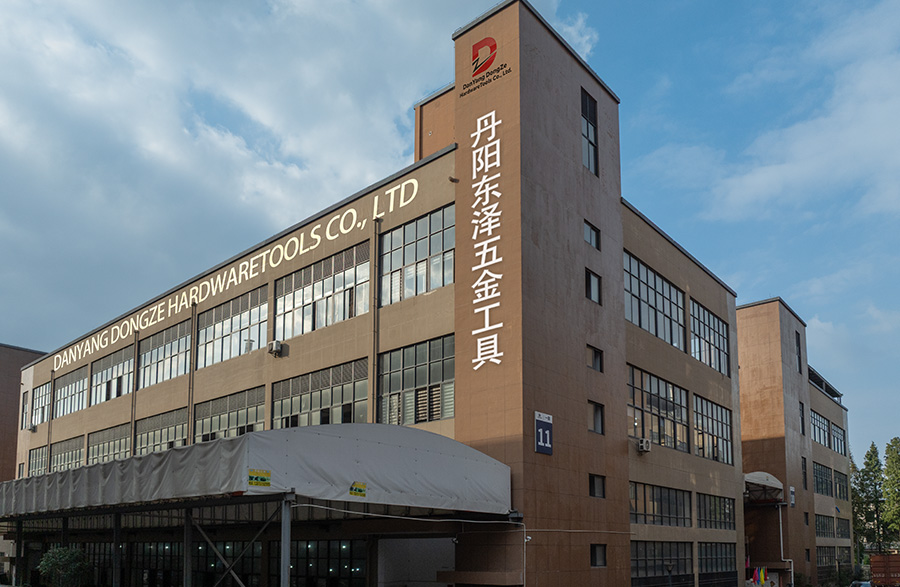
Danyang Dongze Hardware Tools Co., Ltd. was established in 2018 with the aspiration of becoming a leading supplier in the hardware and cutting tools industry from its very inception. Over the years, through our unwavering pursuit of quality and sharp market acumen, we have amassed extensive export experience. Today, our products have successfully entered numerous markets including Europe, the United States, South Korea, Australia, and the Middle East, earning widespread recognition and trust from customers globally.
Our team of trained and professional personnel have many years experiences dealing with managing the process of design, quoting and expediting projects of all sizes. By constantly expanding our manufacturing partnerships and optimizing our raw material supply chains, we ensure that every client receives high-performance tooling and surface preparation equipment that meets rigorous international quality standards.

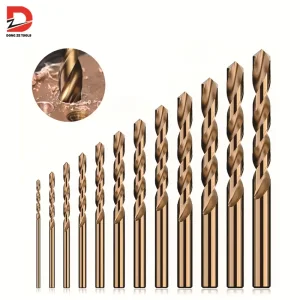
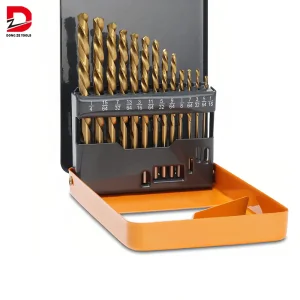
Metal Drill Bits

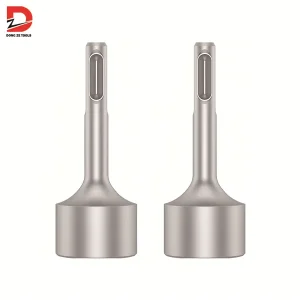
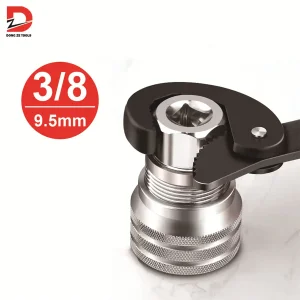
Nut Drivers

Hole Saws


Forged with a dedication to engineering precision, global distribution integrity, and long-term customer partnerships.
Harnessing smart manufacturing networks to guarantee consistent quality, scalable output, and price stability in a volatile global market.
Advanced computer-controlled slitting lines cut jumbo rolls of abrasive backing with microscopic precision, keeping width deviations under ±0.2mm to prevent tracking issues on automatic sanders.
High-voltage electrostatic chambers orient each abrasive crystal perpendicular to the backing material, ensuring maximum cutting aggression and preventing premature loading.
Strategic positioning in China's industrial manufacturing hubs ensures secure, reliable logistics and rapid raw material access, ensuring continuous delivery even during global supply chain disruptions.
The integration of Industry 4.0 methodologies inside Chinese factories has fundamentally changed the global competitive landscape for coated abrasives. By utilizing real-time monitoring of resin viscosity, temperature-controlled curing chambers, and automated laser scanners checking grain density, our partner manufacturing facilities minimize human error. This technological infrastructure ensures that every batch of belt sandpaper delivered has the exact same grit height, thickness, and tensile strength.
In addition to quality, supply chain resilience is a core competitive advantage. Through localized integration of backing fabric weaving, phenolic resin synthesis, and synthetic abrasive grain processing within regional industrial clusters, China Factory 4.0 models insulate global buyers from sudden localized shocks. We maintain stable pricing models by leveraging massive raw material purchase agreements, passing the efficiency savings directly to our wholesale partners.
Matching specific grit matrices, backings, and joints to specialized sector challenges across key global industries.
Application: Polishing heavy steel plate edges, blending deep structural weld lines, and deburring hard metal components.
Abrasive Profile: Heavy Y-weight polyester backing paired with coarse (24 to 60 grit) Ceramic or Zirconia grains, finished with an active cooling supersize coat to resist frictional heat.
Application: Achieving absolute flatness on automotive body panels and preparing paint primers for high-gloss clear coats.
Abrasive Profile: Extremely flexible J-weight poly-cotton backings or micro-finishing films coated with premium Silicon Carbide (grit ranges 400 to 2000), using open-coat construction to prevent paint dust clogging.
Application: Calibrating hardwood lumber boards to precise structural thicknesses while ensuring zero fiber tearing.
Abrasive Profile: Anti-static F-weight paper backings or X-weight cotton backings coated with semi-friable Aluminum Oxide (grit ranges 80 to 180). Anti-static formulations are critical here to reject fine timber dust.
Application: Deburring aircraft engine blades and blending high-strength titanium turbine parts under tight structural constraints.
Abrasive Profile: Precision engineered ceramic grains on heavy vulcanized backing or ultra-dense polyester fabrics, requiring 100% flat tape-reinforced butt joints to prevent finish deviations.
A comprehensive overview of our diverse industrial tool lineup, encompassing drilling, sawing, and high-performance metalwork accessories.
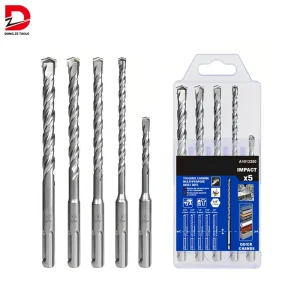
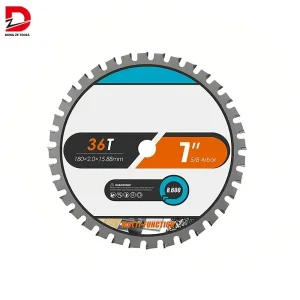
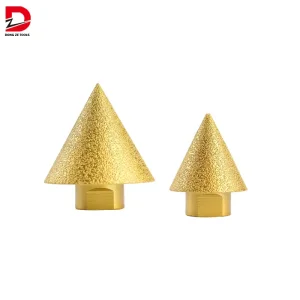
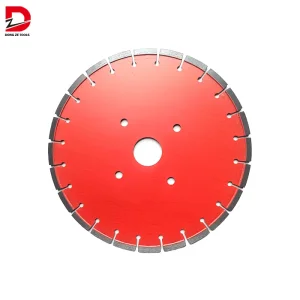
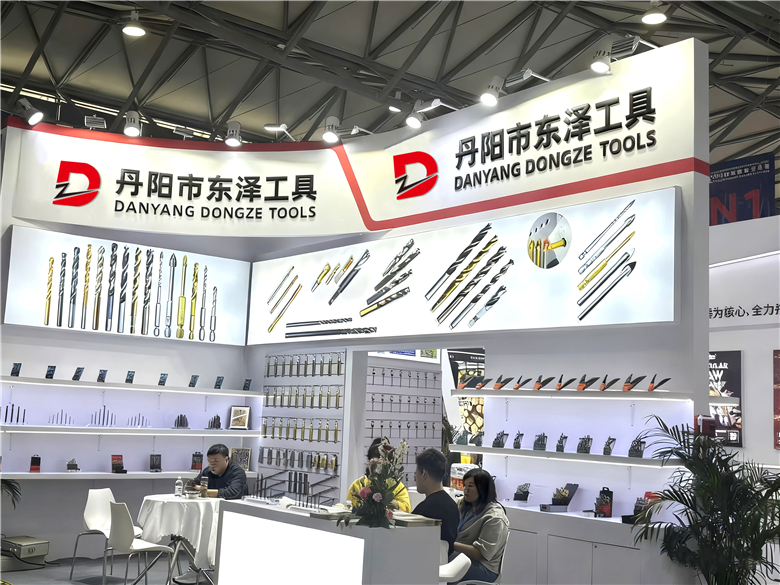
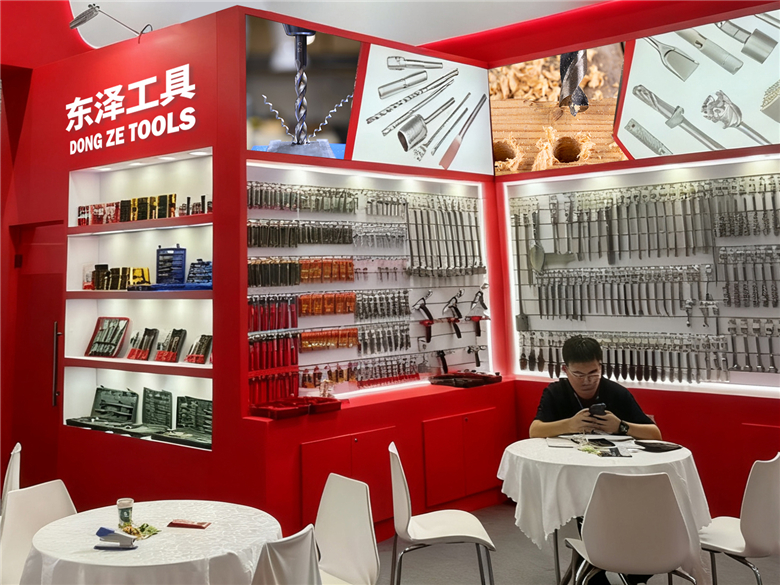
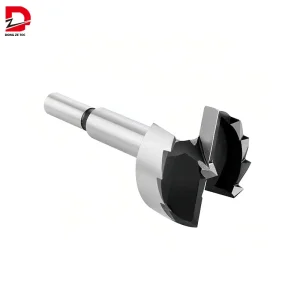
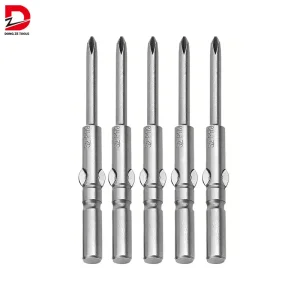
Our product line is extremely rich and diverse. Metal drill bits and other metalworking tools can meet the high-precision requirements of all kinds of metal cutting. Drill bits specifically designed for stone, concrete, tiles, and glass provide reliable support for the construction and decoration industries. Power tool chisels feature excellent performance and durability. Wood drill bits are suitable for all types of woodworking projects. Screwdriver bits, nut socket drivers, etc., offer convenient and efficient operation. In addition, we have a variety of saw blades such as TCT circular saw blades and jig saw blades, as well as hole saws, annular cutters, diamond tools, and end mills, ensuring a comprehensive range of offerings.
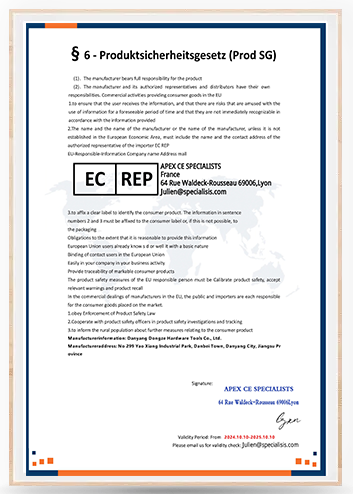
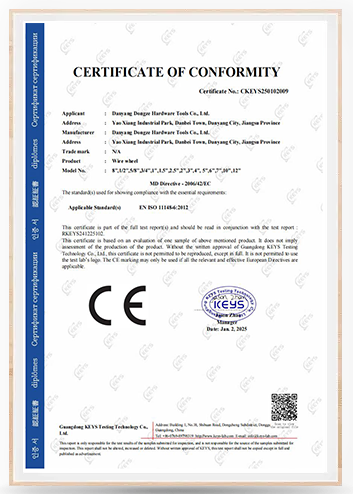
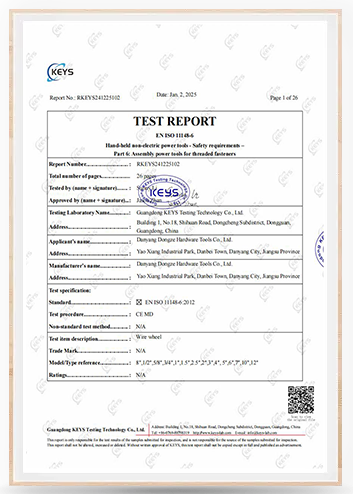
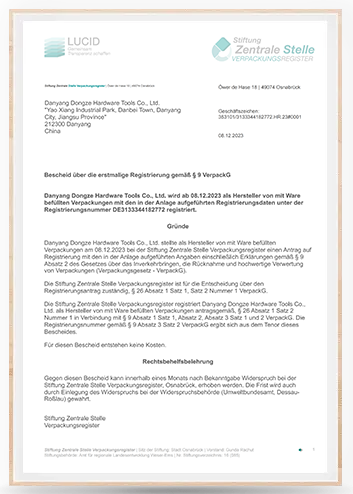
Strict double quality control structures backed by internationally recognized production standards.
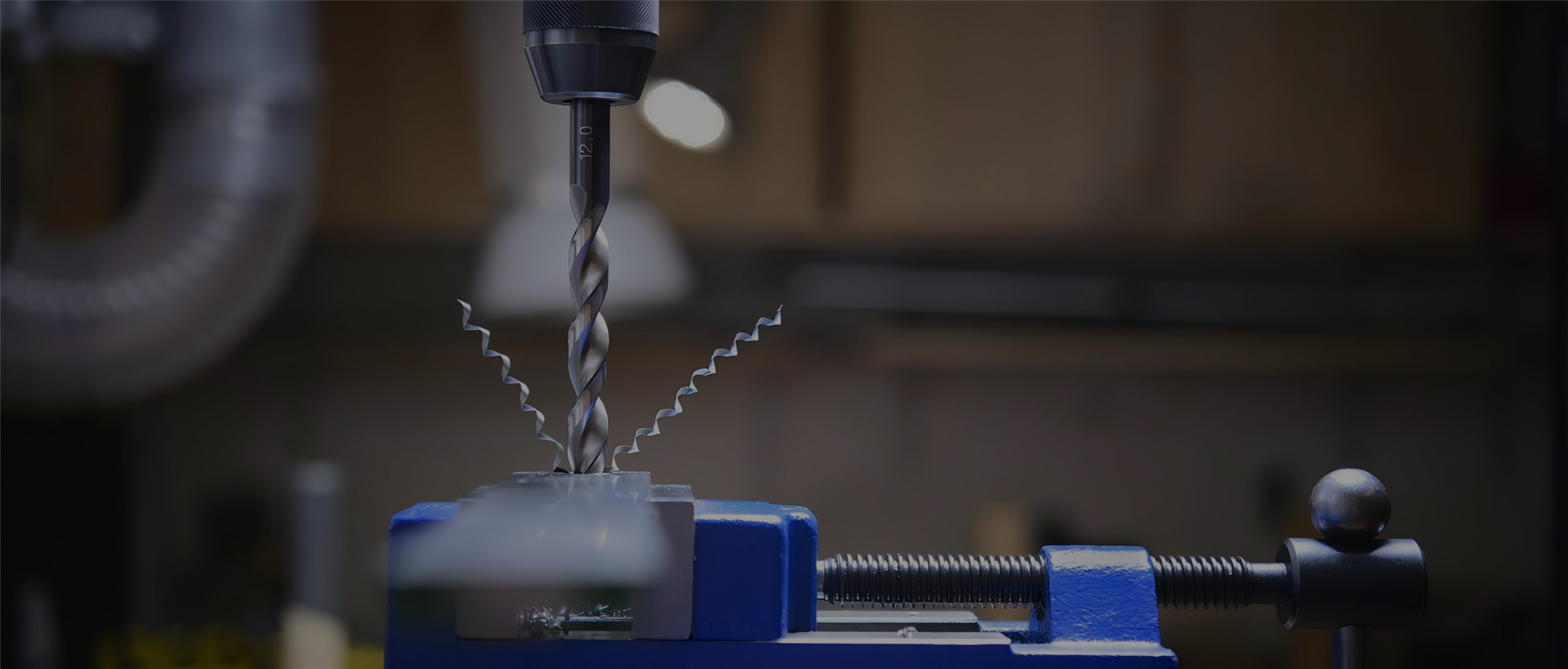
Our advantages are remarkable. Strict double quality control ensures that every product meets high standards. Our efficient operating model makes our products highly competitive in price. The strong production capacity of our partner factories guarantees fast delivery.
Every single export batch undergoes rigorous pre-shipment inspections covering structural geometry, hardness, and thermal operational safety. By maintaining close partnerships with certified raw material suppliers, we assure stable chemistry, reducing defect rates to near-zero levels across all bulk orders.
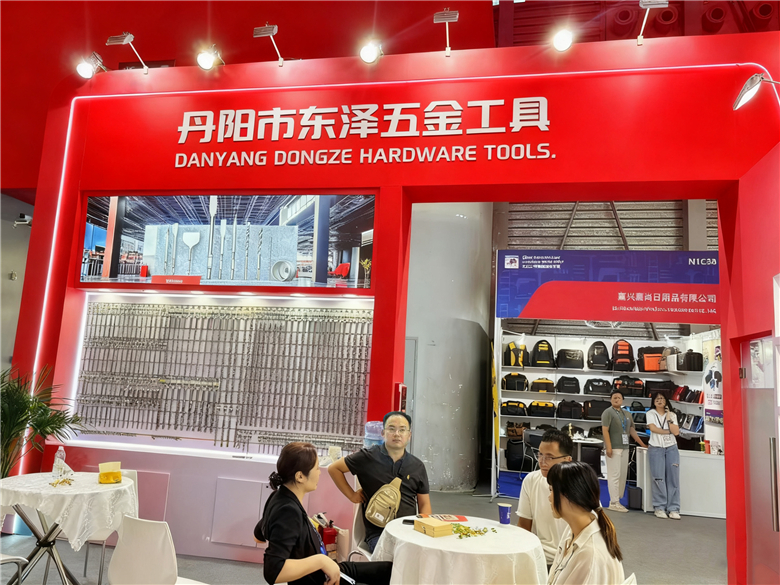
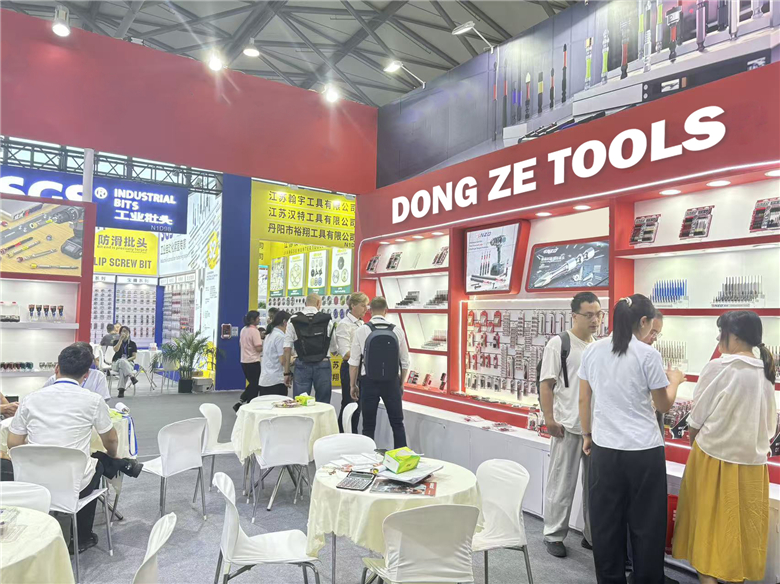
Connecting with procurement managers face-to-face across global hardware and industrial expos.
We boast a well-trained and experienced professional team. From the creative conception of product design, to accurate and reasonable quoting, and then to the efficient progress of projects, every link is meticulously controlled.
In-depth, professional engineering answers addressing grain geometries, backing parameters, storage optimization, and OEM solutions.
Backing weights denote the thickness, rigidity, and tensile strength of the backing fabric. J-Weight backing is a lightweight, highly flexible cotton material designed to conform easily to contoured surfaces and profiles, commonly used in manual metal blending and complex woodwork. X-Weight is the mid-range standard, providing robust tensile strength suitable for general wood calibration and minor metal finishing. Y-Weight and YY-Weight are ultra-heavy polyester backings, specifically engineered to withstand massive mechanical tension (up to 80 PSI) in heavy-duty automatic metal descaling, plate beveling, and slab dimensioning without stretching or tearing.
This refers to the density of the abrasive grains deposited on the backing sheet. Closed-coat sandpaper features backing that is 100% covered by mineral grains. This layout delivers the highest material removal rate and is ideal for hard wood sanding or metal grinding where loading is not a primary concern. Open-coat sandpaper, conversely, covers only 50% to 70% of the surface area, leaving wide voids between the grains. These voids act as escape channels for dust and swarf, preventing clogging. It is highly recommended for resinous woods, paint, composites, and soft non-ferrous metals like aluminum.
Abrasive belts are highly sensitive to humidity and temperature fluctuations, which can cause the backing (especially paper or cotton) to expand or contract at a different rate than the resin layer, resulting in cupping (curling edges). Belts should be stored in a climate-controlled room with a relative humidity of 45% to 65% and a temperature between 18°C and 22°C. Additionally, they should be taken out of their packaging and hung on non-metallic, wide pegs (at least 100mm diameter) for at least 24 hours prior to use, allowing them to stabilize under actual workshop tension.
For high-pressure, heavy-duty industrial applications, a butt joint (where the two ends of the belt meet perfectly and are held together by a thin, high-strength reinforcing tape on the backing side) is highly superior. Unlike lap joints, butt joints do not create a double-thickness overlap. This prevents joint "bump" or "chatter marks" during high-precision sanding of metal plates or solid wood panels. Lap joints are generally reserved for hand-held belt sanders or low-precision processes where absolute flatness is not critical.
We provide full-scope customization services including custom width slitting, length configurations, custom joint reinforcing, backing branding, and packaging designs. Our professional design and quoting team works closely with global wholesale buyers to formulate specialized grain blends (e.g., specific ratios of Ceramic and Zirconia) tailored for unique industrial applications.
Integrate your global tooling shipments by purchasing top-tier drilling and fastener accessories from our factory portfolio.
 Dongze Hardware